I tested Apple Intelligence's three Shortcuts models side by side
On-Device, Cloud and Cloud Pro in Shortcuts' Use Model, tested on one Mac: which got the math right, which returns real data, how much each reads.
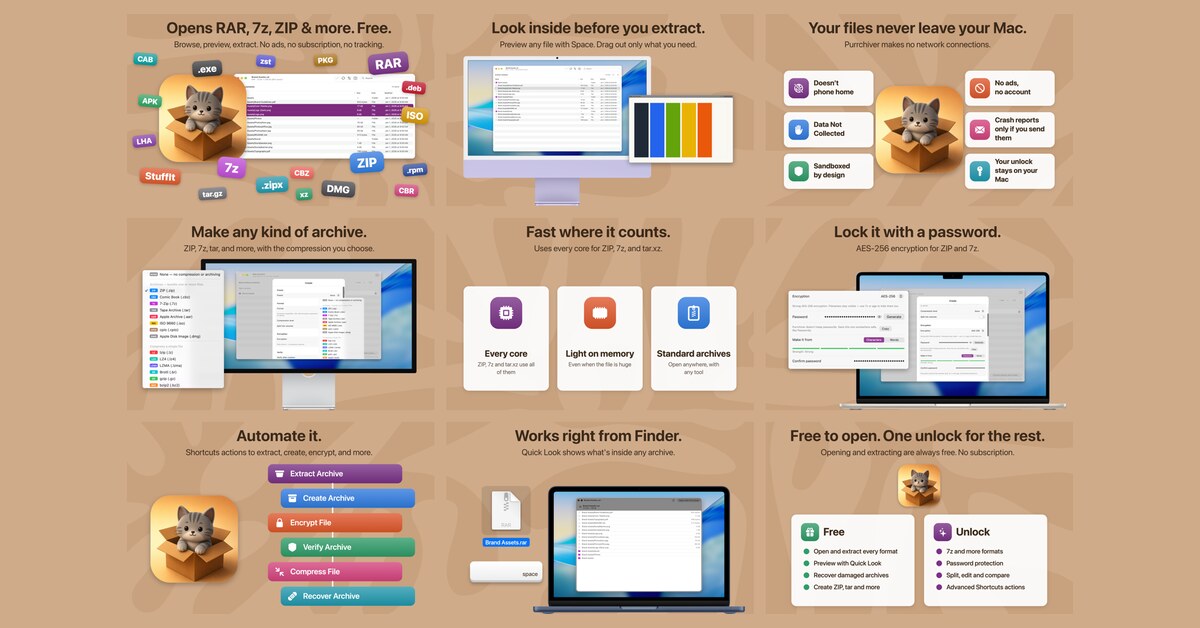
Purrchiver 1.1 needs nine new Mac App Store screenshots. Claude Code captured the app and built them in Pixelmator Pro; I gave feedback and nudged.
My 12-month AI/ML roadmap taught model training from scratch. For an engineer who builds with models, that was the wrong map. What I'm doing instead.
Making my Claude Code config public again: gitleaks found no secrets, but history held deleted files, vendored skills and my email.
An AI agent co-authored 94% of my Mac app's commits, but my job didn't shrink to reviewing diffs. It was deciding what to refuse.
An AI told to 'find issues' never decides it's done, so it invents scope. Bound the review to the diff, set a severity floor, and define done.
The strongest model is great at judgment but bad at following a plan. Let it plan and audit, and hand the implementation to a narrower model.
Three settings showed in the UI, saved, and never reached the engine. How it happened with an AI agent writing the code, and the tests that guard it.
Agents are too lenient reviewing their own work, and prompting won't fix it. A structural fix: separate authors and reviewers across model families.
Long AI skills drift from their own prose. The dot-graph pattern makes a workflow a graph, moves node prose to sidecars, and refuses off-graph moves.